
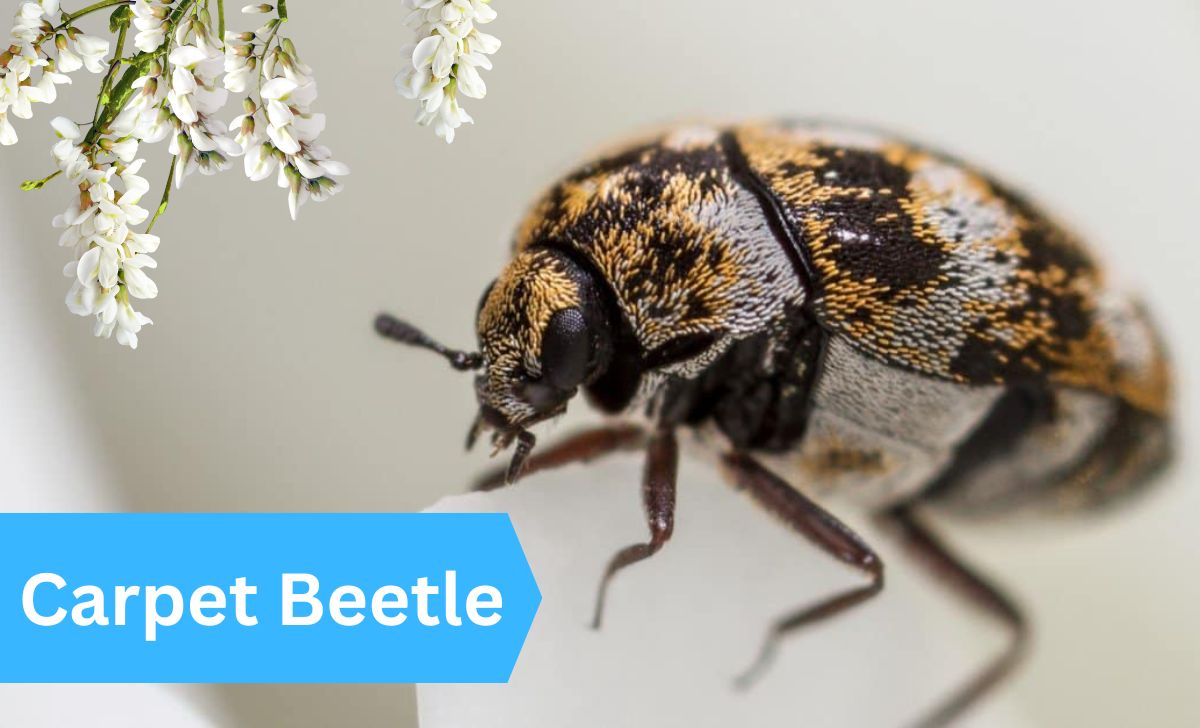
Carpet beetles are small insects that often go unnoticed until they cause visible damage. Unlike more obvious pests such as cockroaches or bed bugs, carpet beetles silently attack fabrics, furniture, and other organic materials in your home.
Their name comes from their tendency to feed on carpets, but they do not stop there; they can infest clothing, upholstery, bedding, and even stored food in some cases. These beetles are resilient, capable of surviving in a variety of environments, and they spread quickly once they establish themselves indoors.
Carpet beetles are tiny pests that damage carpets, clothes, and furniture by feeding on natural fibers. Early detection, regular cleaning, and proper pest control methods are key to preventing costly infestations.
Understanding what carpet beetles are, how they behave, and the damage they cause is the first step in controlling them.
Types of Carpet Beetles

There are several types of carpet beetles commonly found in homes, and each species has unique characteristics.
The varied carpet beetle is small and oval-shaped, with distinctive patterns of white, yellow, and black scales across its body. Despite its tiny size, this beetle is destructive and can be difficult to spot until damage becomes obvious.
The black carpet beetle, as its name suggests, has a shiny, dark brown or black body. It is one of the most destructive species, particularly notorious for damaging fabrics, upholstery, and carpets.
The furniture carpet beetle is another common intruder. It often hides in furniture, attacking upholstery and padding where it can feed undisturbed.
Lastly, the common carpet beetle closely resembles the varied carpet beetle in appearance but is often found near windows and natural light sources, as adults are attracted to sunlight.
Although these species differ in appearance, their destructive potential is very similar, making them an equal threat to households.
Life Cycle of Carpet Beetles

Carpet beetles undergo a complete metamorphosis, which makes their life cycle both fascinating and concerning for homeowners.
The process begins with the egg stage. Female beetles lay eggs in dark, protected areas such as closets, under baseboards, inside air ducts, or within upholstered furniture.
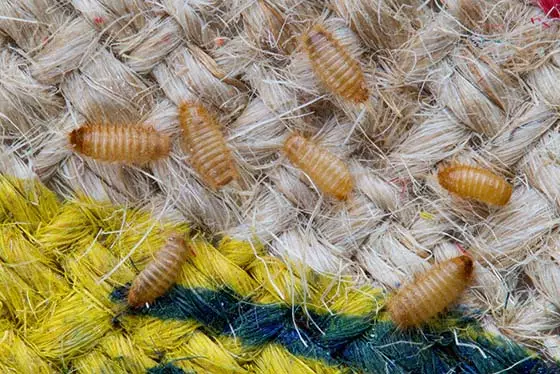
A single female can lay dozens of eggs at a time, which hatch within a couple of weeks. From there, the larval stage begins, and this is the most destructive phase of their lives. Known as “woolly bears,” carpet beetle larvae are covered in tiny hairs and have voracious appetites.
They chew through natural fibers, leaving behind bald spots, small holes, and shed skins as evidence of their activity. Eventually, the larvae transition into the pupal stage, where they cocoon themselves in hidden areas.
During this stage, they stop feeding and prepare to become adults. The final phase is the adult beetle, which is less damaging indoors since adults primarily feed on pollen and nectar outdoors. However, adults are responsible for laying new eggs indoors, ensuring the cycle continues.
This full cycle can take anywhere from two months to over a year, depending on the temperature, humidity, and availability of food sources.
Identifying Carpet Beetle Infestations
Spotting a carpet beetle infestation can be tricky because the insects themselves are small and often hide in dark, unnoticed corners. However, certain signs will alert you to their presence.
One of the first things you might notice is physical evidence, such as discarded larval skins. As larvae grow, they shed their skins multiple times, leaving behind tiny brown husks that collect in corners, under furniture, or inside closets. You may also see adult beetles near windows or light fixtures since they are naturally attracted to sunlight.
The most obvious clue, however, is the damage they cause. Small, irregular holes in clothing, bald patches in carpets, or worn areas on upholstery are strong indicators of their activity. Wool blankets, silk garments, and feather-stuffed pillows are especially vulnerable. In severe infestations, you may even find them damaging stored food items such as flour or cereals.
Carpet beetles prefer hiding in dark places, making them difficult to detect early. Common hiding spots include air ducts, behind baseboards, under rugs, and inside furniture stuffing.
What Do Carpet Beetles Eat?

Carpet beetles are not picky eaters, but they have a clear preference for organic, protein-based materials. They feed on natural fibers, including wool, silk, leather, feathers, and cotton. This explains why they are so destructive to household items like carpets, upholstery, and clothing.
Anything containing keratin, a protein found in hair and animal products, is especially attractive to them. Inside the home, carpet beetles may infest blankets, stuffed toys, curtains, and even decorative items like dried flower arrangements. They can also survive outdoors, where adult beetles feed on pollen, nectar, and dead insects.
Once they enter your home through open windows or are carried in on flowers, pets, or clothing, they quickly begin looking for materials to feed on.
Why Carpet Beetles Are a Problem
Carpet beetles pose a serious problem for homeowners for several reasons.
The most obvious issue is damage to fabrics. Unlike moths, which leave more visible signs, carpet beetles cause subtle but widespread destruction that may go unnoticed until it is extensive. Priceless rugs, expensive clothing, or heirloom upholstery can all be ruined beyond repair.
Another issue is health-related concerns. While carpet beetles do not bite or transmit diseases, their larvae have tiny hairs that can irritate human skin, leading to rashes or allergic reactions. For sensitive individuals, prolonged exposure can cause respiratory discomfort as well.
Finally, there are economic consequences. Replacing carpets, reupholstering furniture, or discarding damaged clothing can become costly, especially if the infestation goes unchecked for a long time.
Difference Between Carpet Beetles and Bed Bugs
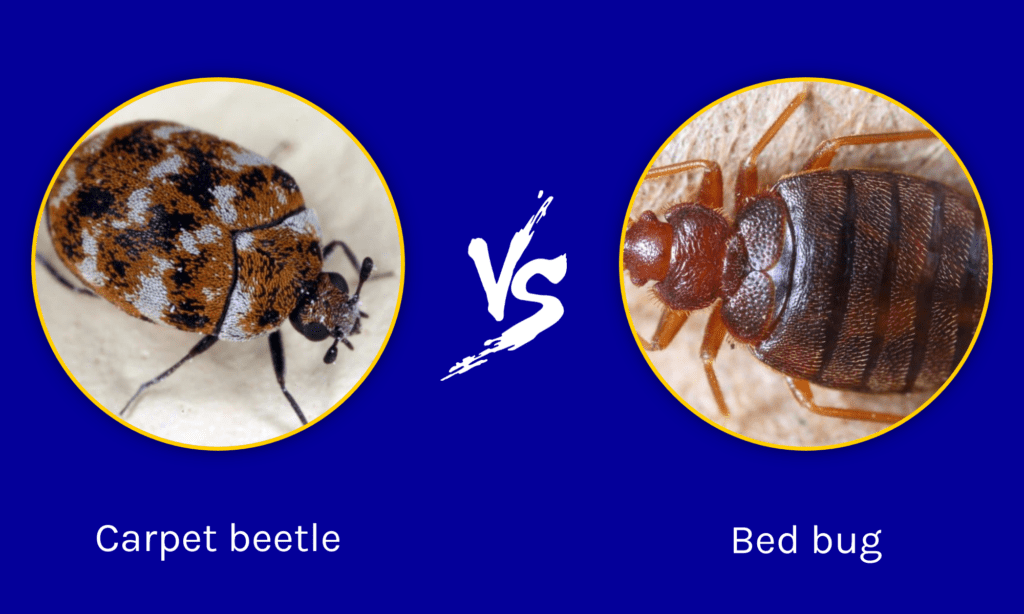
It’s easy to confuse carpet beetles with bed bugs since both infest homes and cause discomfort. However, they are very different pests.
Bed bugs are flat, reddish-brown insects that feed on human blood. Their bites leave behind red, itchy welts, and they tend to stay close to sleeping areas, such as mattresses and bed frames. Carpet beetles, on the other hand, are small, round insects with patterned bodies. They do not bite humans, but they destroy fabrics by feeding on natural fibers.
Their infestation patterns also differ. Bed bugs cluster in tight areas near beds, while carpet beetles spread across the house, hiding in closets, carpets, air ducts, and furniture. Identifying the specific pest you’re dealing with is crucial, as their control methods differ significantly.
Where Do Carpet Beetles Come From?
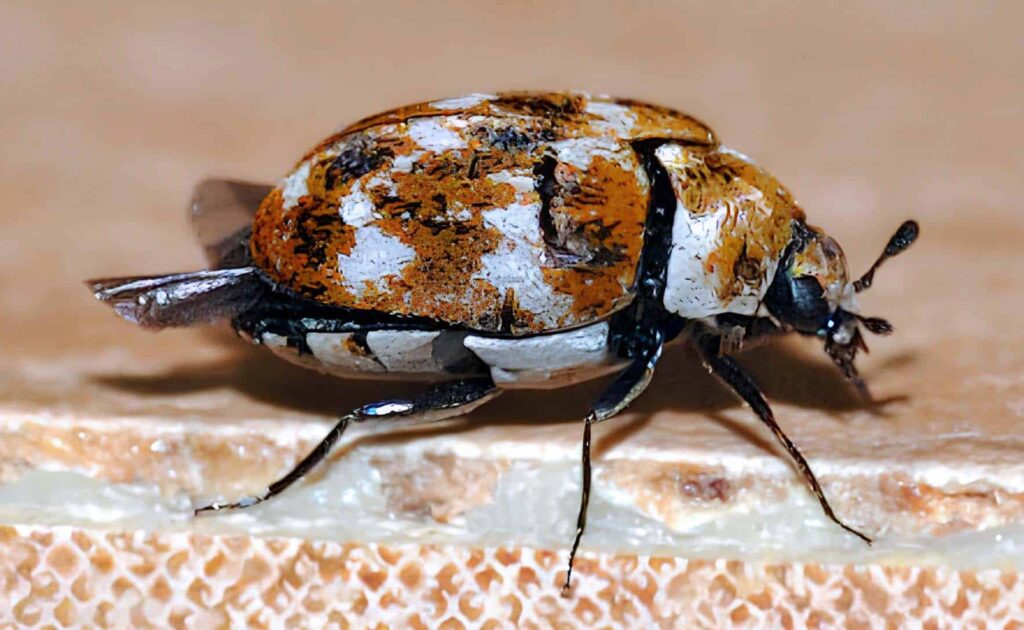
Carpet beetles often find their way inside from the outdoors. Adults feed on pollen and nectar, so they are commonly found in gardens, on flowers, or around trees. When windows or doors are left open, they can easily fly inside.
They may also hitchhike on fresh flowers, second-hand furniture, or even on pets. Seasonal activity also plays a role. Carpet beetles are most active during spring and early summer when adults emerge to reproduce. This is why infestations often begin during these warmer months and continue throughout the year indoors.
Once inside, they quickly settle in dark, quiet areas where they can lay eggs and begin their life cycle.
Conclusion
Carpet beetles may be small, but their impact on homes is anything but. By learning how to identify, prevent, and control them, you can save your carpets, clothes, and furniture from costly damage. Whether you prefer natural remedies or professional treatments, the key is early detection and consistent maintenance.
FAQs
Q1. Do carpet beetles bite humans?
No, they do not bite. However, larval hairs can irritate human skin.
Q2. Can carpet beetles live in mattresses?
They may hide in mattresses, but they don’t feed on blood like bed bugs.
Q3. How long do carpet beetles live?
Their life cycle can last anywhere from 2 months to over a year, depending on conditions.
Q4. What smell keeps carpet beetles away?
Scents like cedar, lavender, and clove are known to repel them.
Q5. Do I need professional pest control for carpet beetles?
For minor infestations, DIY methods work. For large-scale problems, professional extermination is recommended.
Read More
Bovada LV – The Ultimate Guide
Birthday Freebies – The Ultimate Guide to Free Treats on Your Special Day






Leave a Reply